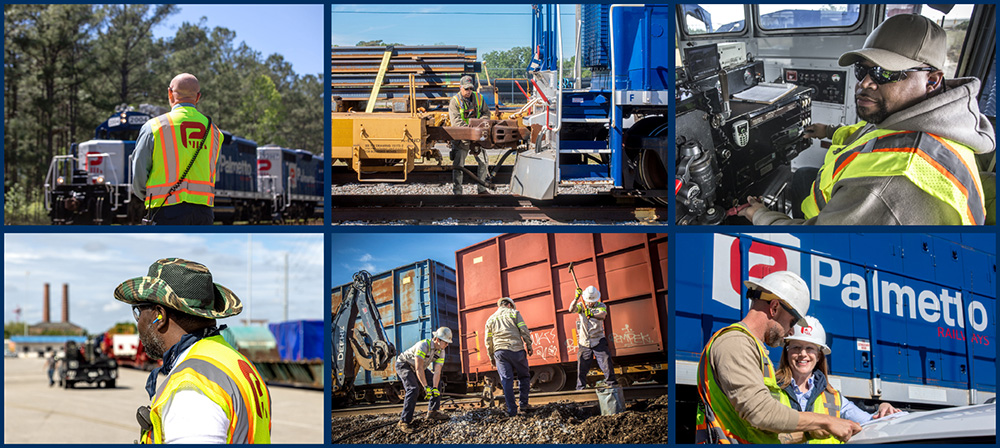
Looking for a career that’s going places? Join Palmetto Railways and help deliver progress—safely, reliably, and with pride in every mile.
We are currently hiring for a Transportation Coordinator. Apply online HERE.





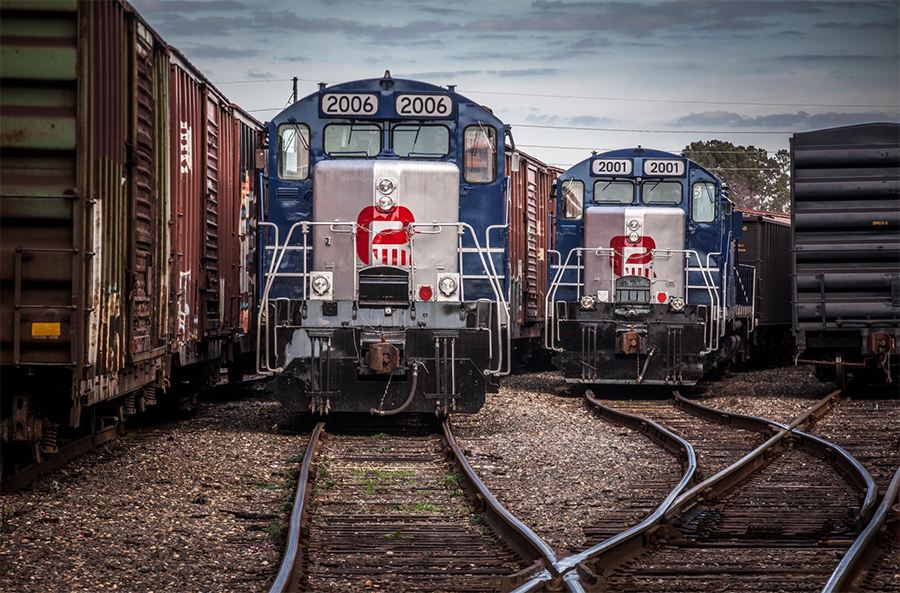
short line service provider with partners CSX and Norfolk Southern
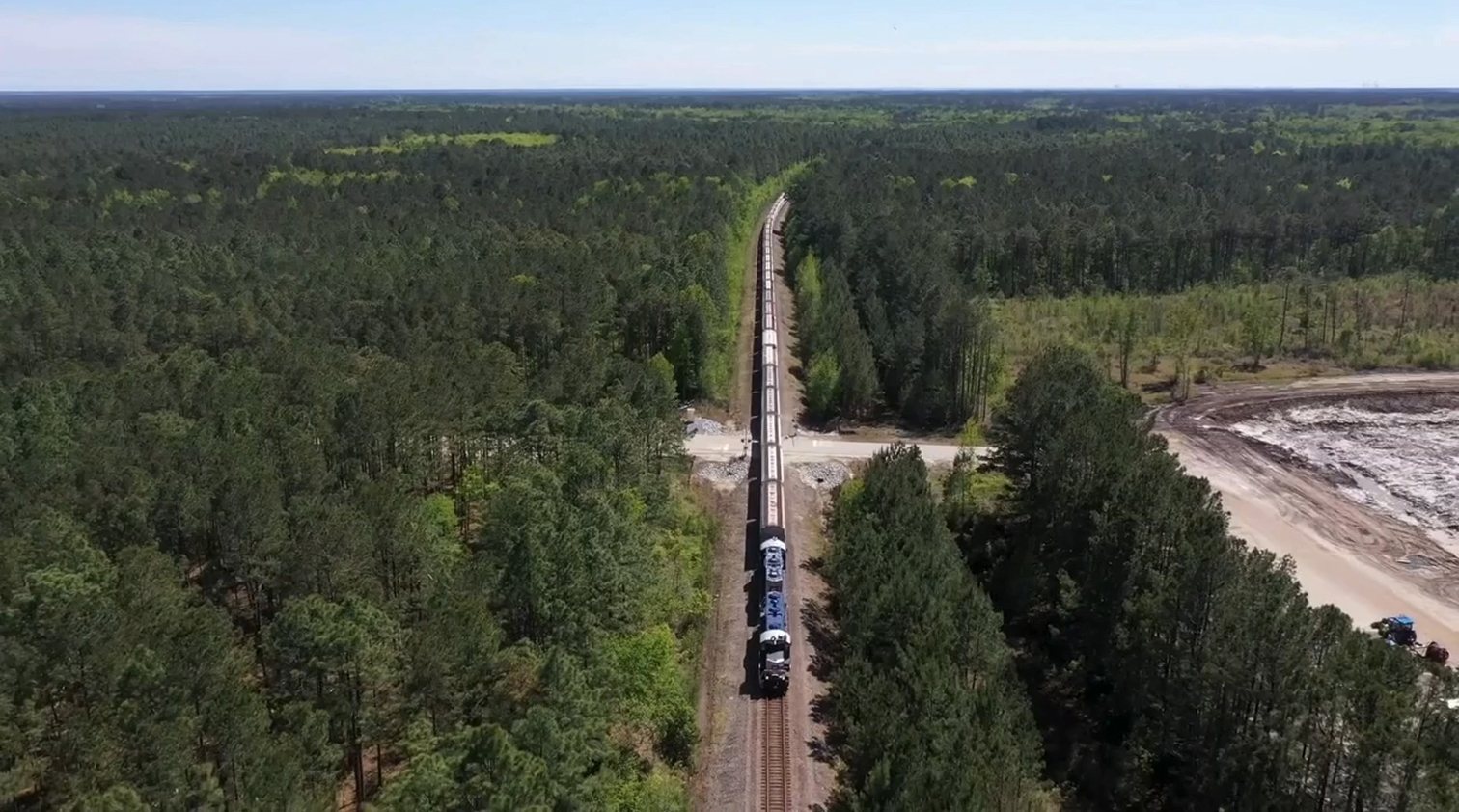
The SC rail system boasts an economic output of
across the state.
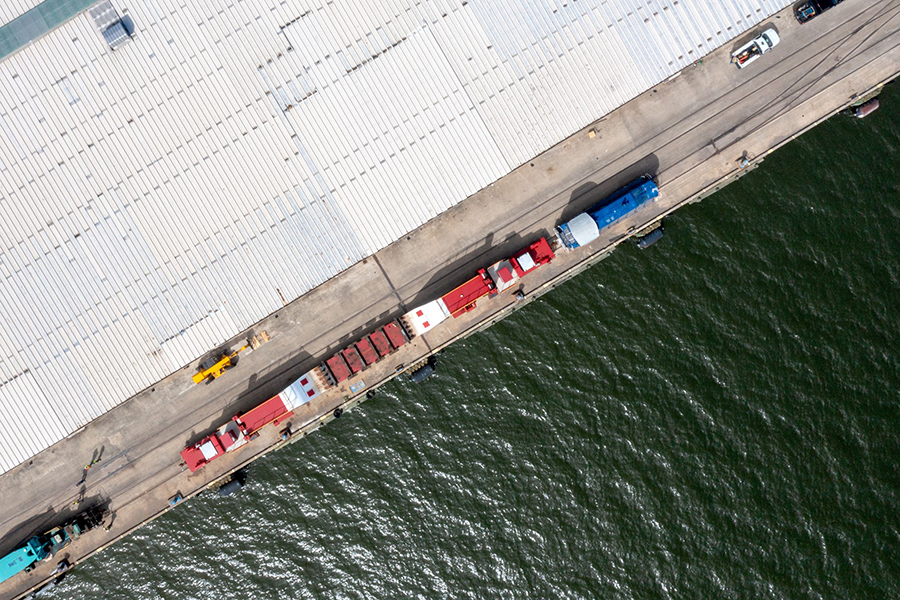
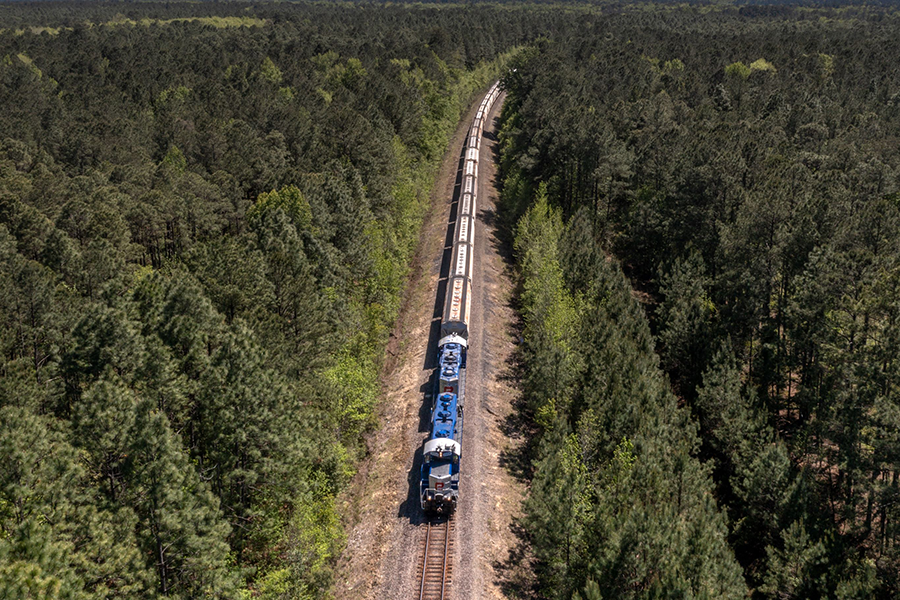
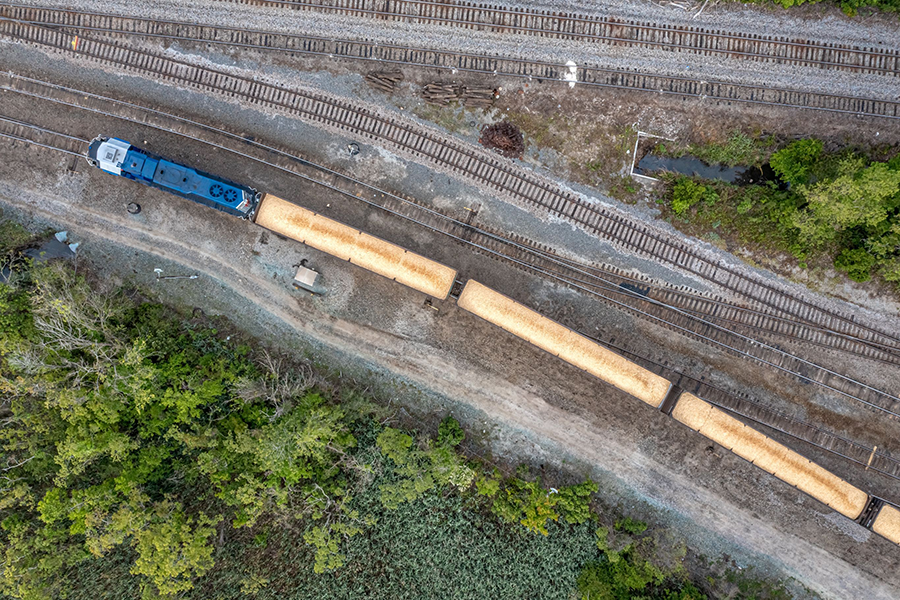
Rail handling partner for
Palmetto Railways’ early history in Charleston, SC can be traced to the East Shore Terminal Company’s (ESTC) installation of tracks at the Charleston peninsula wharfs in 1892. This is now the Union Pier area.
After a decade of ownership by the ESTC, the company’s franchise and assets were sold to the Atlantic Coast Line and Southern Railways, predecessors to the modern Eastern Class I railroads, and renamed as the Charleston Terminal Company.

The City established the Port Utilities Commission of Charleston (PUCC) in 1924 beginning Palmetto Railways over 100-year public ownership. The railroad portion of the PUCC is the first named predecessor railroad of Palmetto Railways and what is now its Charleston Subdivision.
After years of declining volumes and revenue, and subsequent investment, the Charleston Terminal Company’s franchise was not renewed by the Charleston City Council and ultimately the company’s track and dock assets were sold to the City of Charleston in 1921.
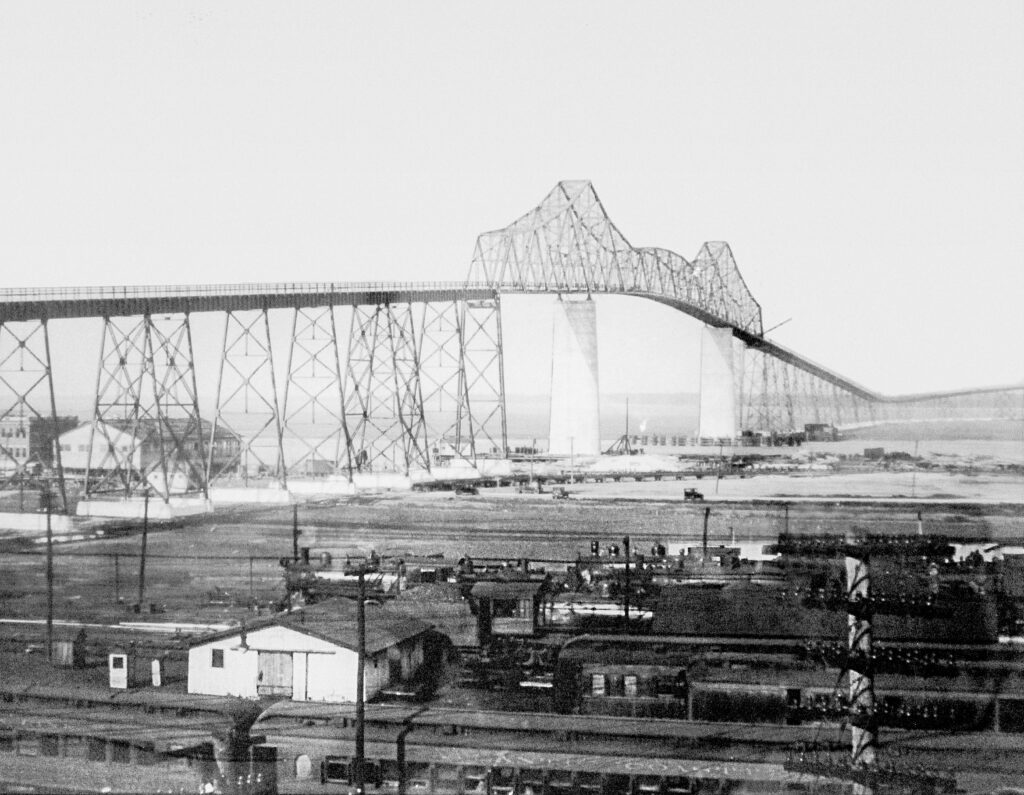
Following the ending of WWII, the State of South Carolina established the South Carolina State Ports Authority (SCSPA) under which the PUCC and its dock and track assets were transferred ending municipal ownership and beginning state ownership of port and rail infrastructure.
In 1957, the SCSPA opened the North Charleston Terminal and established the Port Terminal Railroad (PTR) as a new railroad to manage those track operations for the new terminal. PTR is the named predecessor railroad for Palmetto Railways' North Charleston Subdivision.
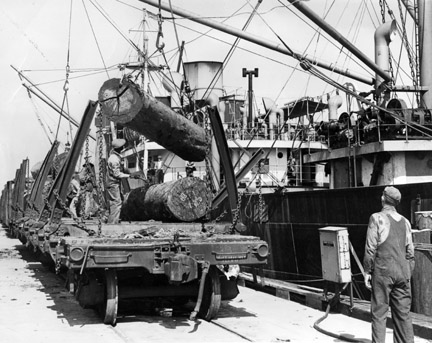
In 1966, the South Carolina General Assembly directed the establishment of the South Carolina Public Railways Commission (SCPRC) to take over the railroad assets of the Ports Authority. By 1973, the PUCC and PTR were transferred to this new commission.
In 1978, SCPRC’s first involvement in a large-scale state economic development project was completed with the creation of the East Cooper and Berkeley Railroad (ECBR). ECBR was developed to serve a new Amoco facility that the state had recruited to Berkeley County, SC. The ECBR is the third named predecessor railroad of Palmetto Railways that is now the Charity Church Subdivision.

Under the South Carolina Restructuring Act of 1993, the South Carolina Department of Commerce was established to consolidate the state's approach on economic development. As part of the Restructuring Act of 1993, the South Carolina Public Railways Commission was abolished, and its rail assets and management were place under the newly created Department of Commerce as South Carolina PublicRailways (SCPR).
Shortly after SCPR was re-structured, the Charleston Naval Complex in North Charleston, SC was shutdown. Its rail infrastructure was transferred to SCPR and became part of the PTR as the Navy Base Terminal.
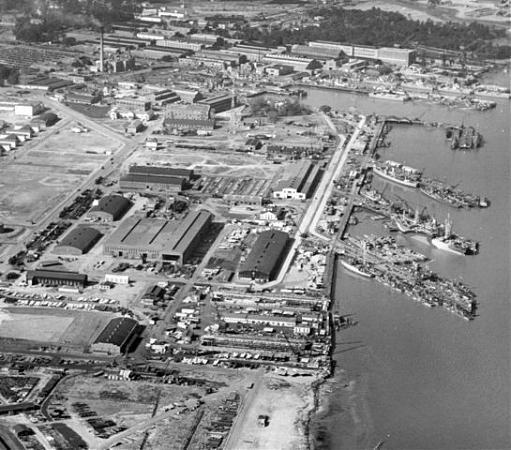
As a division of the newly established SC Department of Commerce, SCPR had greater involvement in state wide economic development projects focusing on freight rail infrastructure development. Some of these projects include establishment Nucor Steel, BMW and Michelin manufacturing facilities around South Carolina.
In 2010, SCPR began planning and property acquisition for the future development of the Navy Base Intermodal Facility to be located at the former Charleston Naval Complex property.
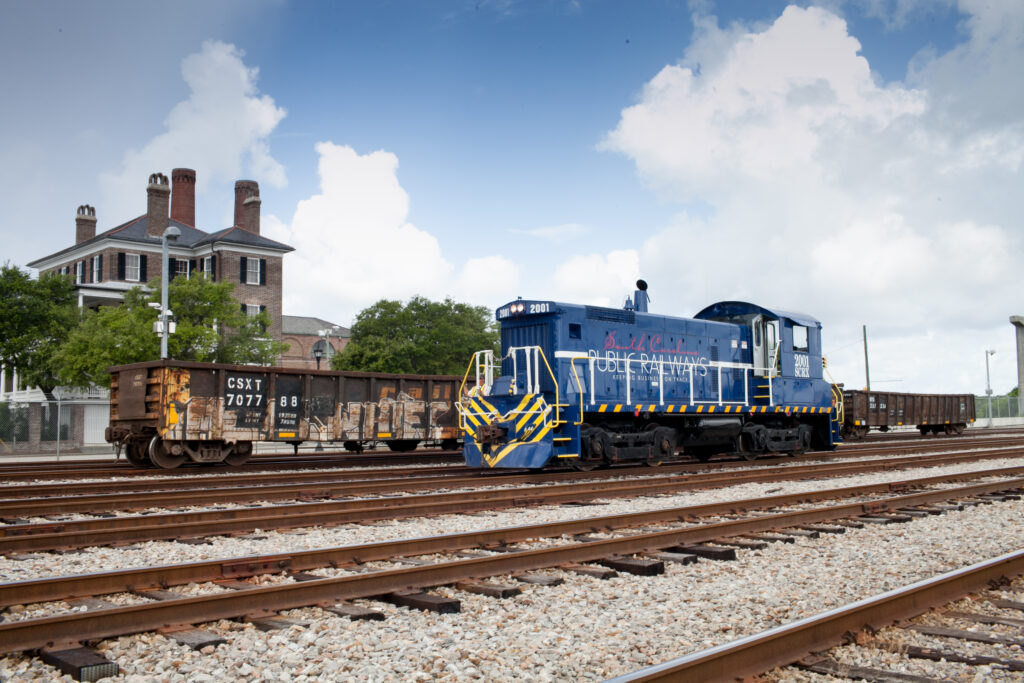
In 2013, SCPR rebranded to Palmetto Railways and consolidated its various short line rail facilities as subdivisions. Palmetto Railways continues its focus on supporting its existing rail operations and clients while working with the SC Department of Commerce on economic development projects.
In 2015, the state recruits Volvo Cars first North American manufacturing facility to Berkeley County, SC. As part of this recruitment, Palmetto Railways begins development of the Camp Hall rail line to support the Camp Hall Commerce Park where Volvo Cars and other customers relocated. This will establish Palmetto Railways’ 5th operating subdivision in the future, the Camp Hall subdivision.
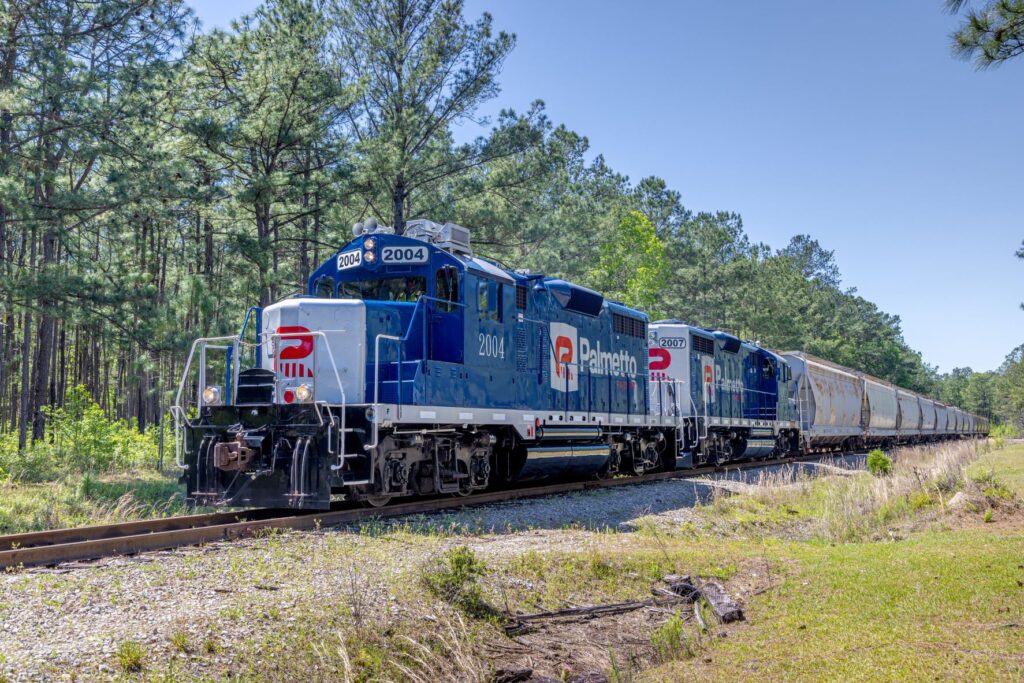
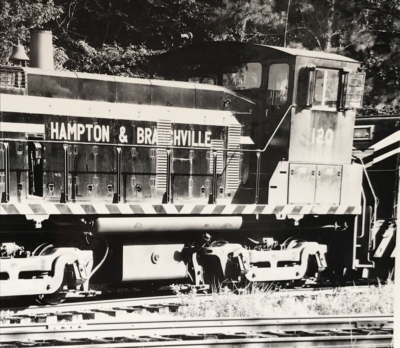
In 2017, through a partnership between Palmetto Railways, Colleton County and the State of South Carolina, the Hampton & Branchville Railroad (H&B) was purchased by Palmetto Railways and Colleton County in order to support future industrial development in this region of the state. The H&B had ceased operations in Hampton and Colleton Counties in 2012.The H&B line became the Palmetto Railways Salkehatchie Subdivision known today.
Palmetto Railways continues work on the NavyBase Intermodal Facility (NBIF) project including completing environmental permitting, demolition and early track construction. In 2021, the project is transferred to the South Carolina Ports Authority to complete construction and operate.
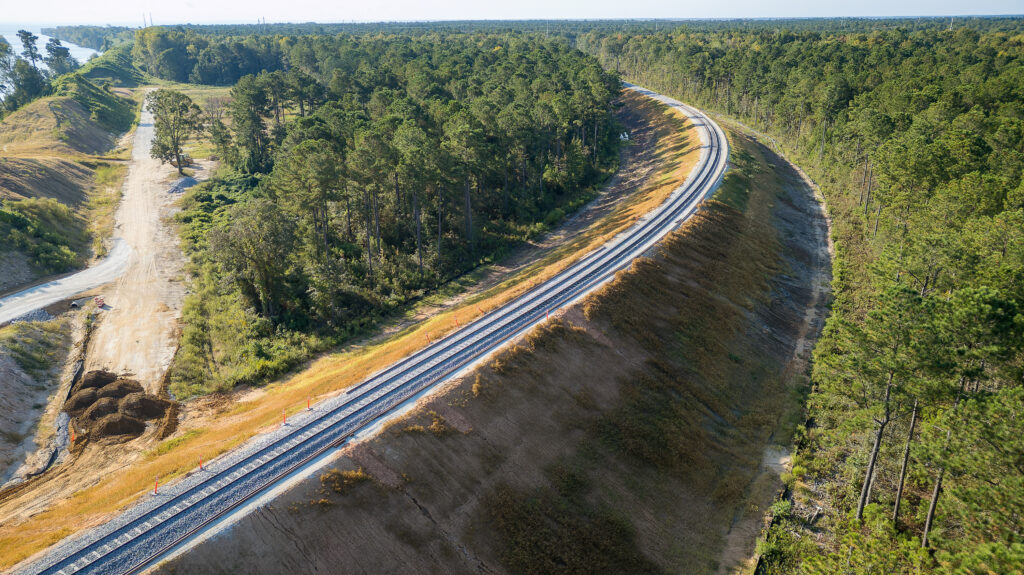
Construction will be completed and operations are planned to begin in 2026 on the Camp Hall subdivision.
Palmetto Railways continues to partner with its state and county partners on economic development projects.
Palmetto Railways works closely with the South Carolina Ports Authority on continued growth at the Navy Base Intermodal Facility and SC Ports rail served marine terminals.
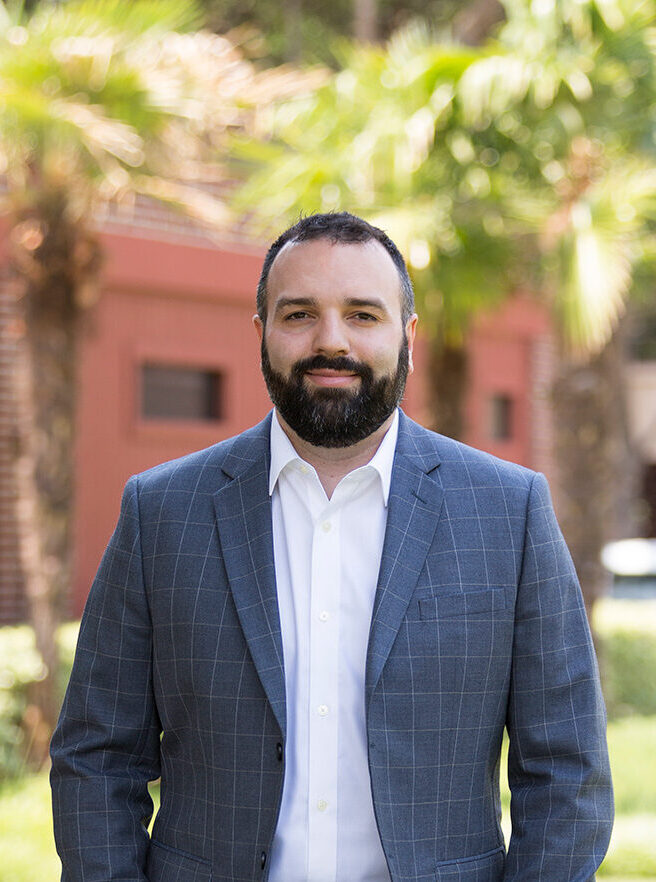
Patrick McCrory
President & Chief Executive Officer


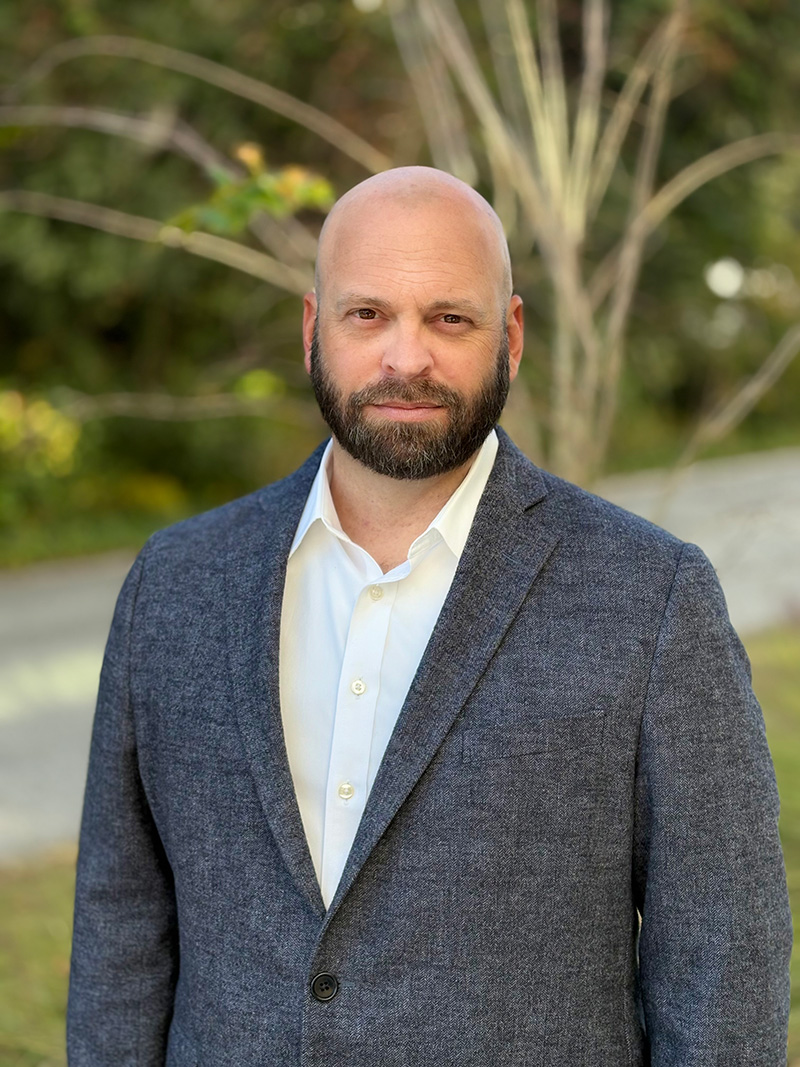
Bryan Carpenter
Vice President & Chief Operating Officer
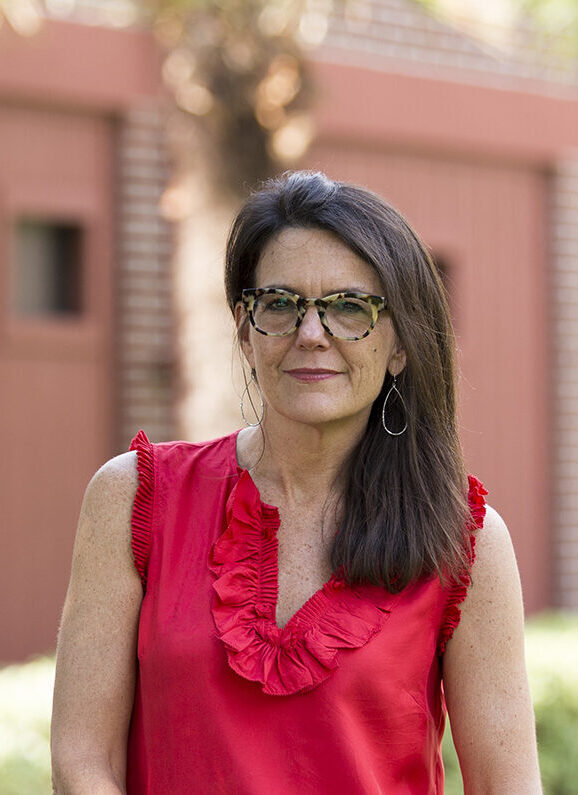
Sheri Cooper
Vice President & Chief Financial Officer

Brian McCall
Director of Finance & Administration

Jennifer Brown
Director of Industrial Development
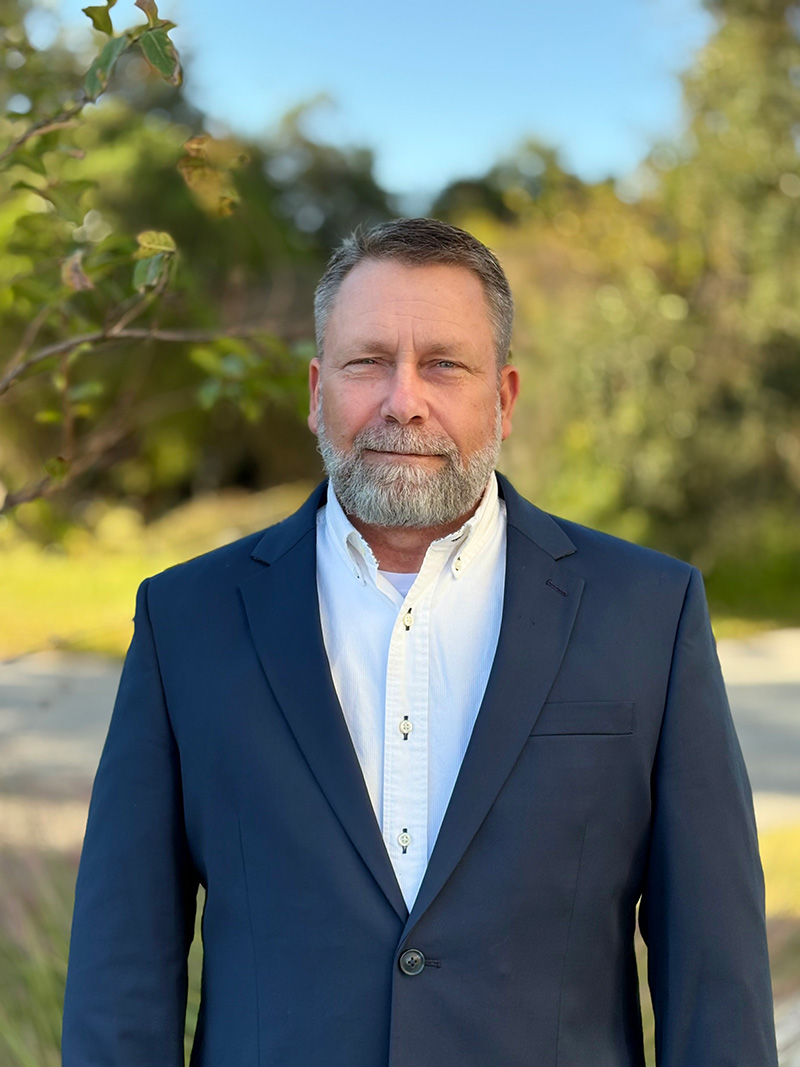
Billy Duttine
Director of Safety & Operating Practices
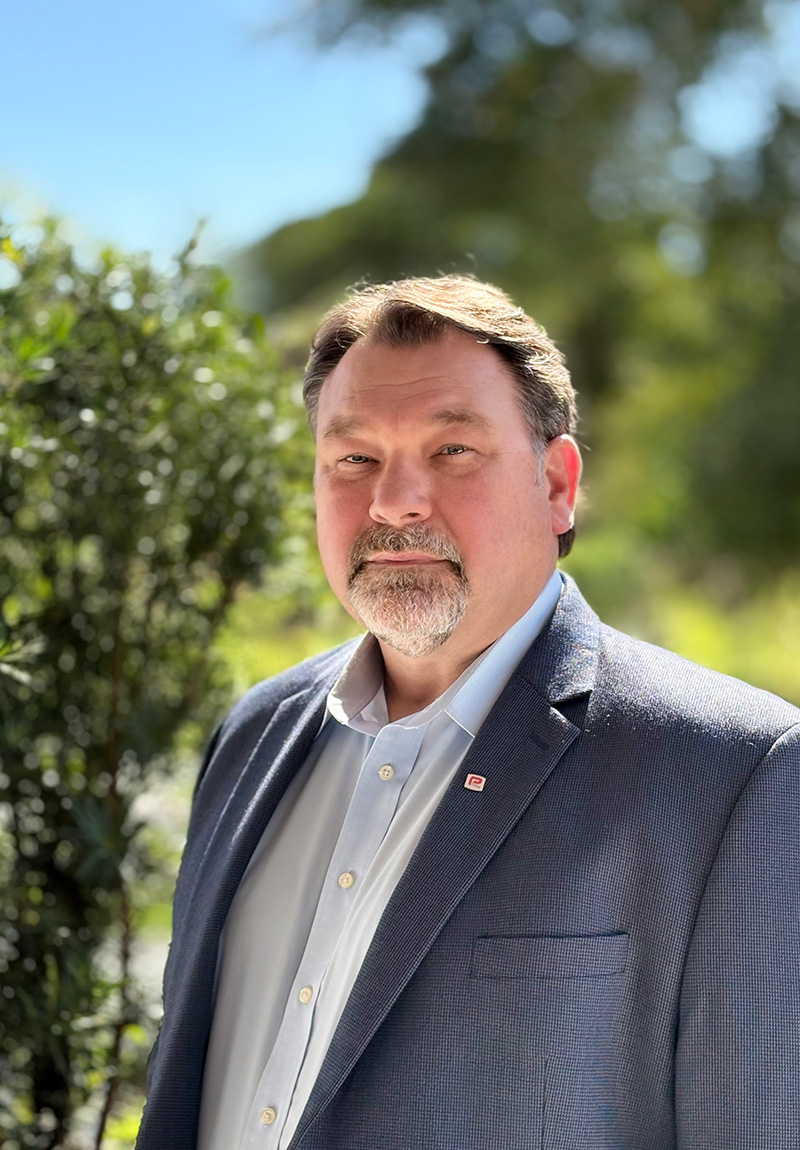
Mike Steele
Director of Mechanical Operations
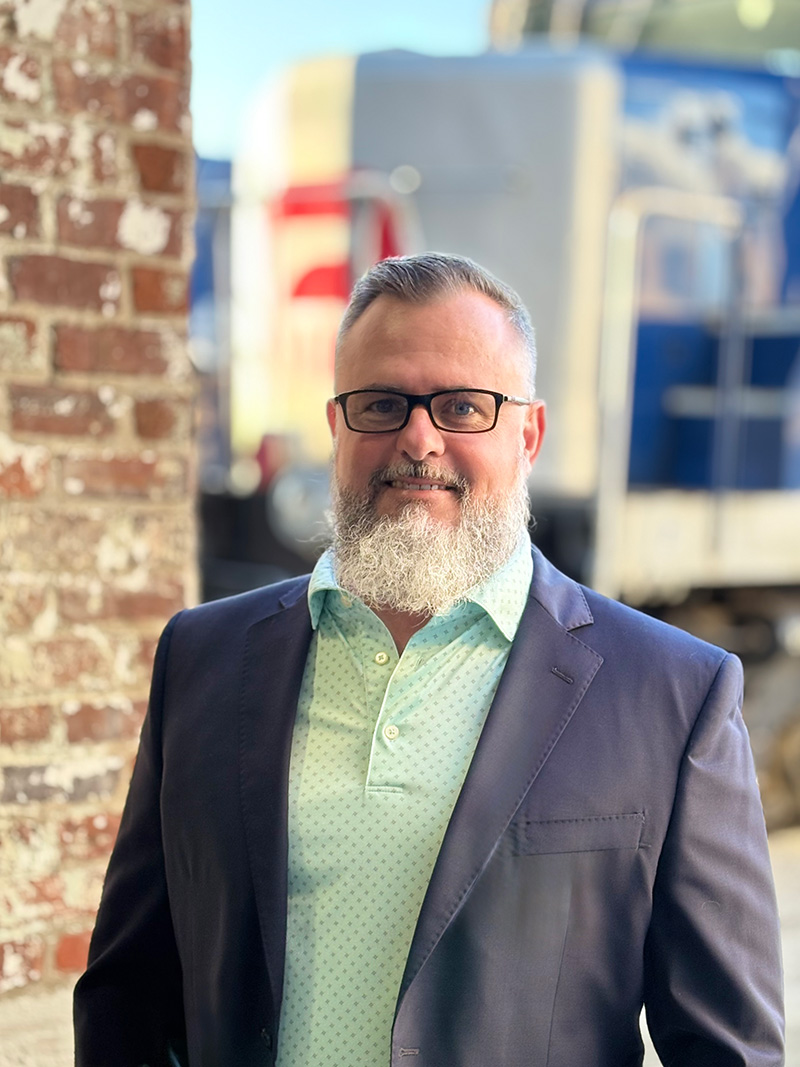
Justin Nelson
Director of Transportation Operations

Hunter Grooms
Director of Engineering Operations

Rob Hare
Director of Projects & Facilities
Looking for a career that’s going places? Join Palmetto Railways and help deliver progress—safely, reliably, and with pride in every mile.
We are currently hiring for a Transportation Coordinator. Apply online HERE.